Arc the Lad III (アークザラッドIII), released 10/28/1999, developed by Arc Entertainment, released by Sony

Originally Arc the Lad was only planned as one game, which was split into two for reasons I mentioned in my first Arc the Lad post. The popularity of the game encouraged Sony to release another game in the series, although the development team had changed. This is really on the edge of what I consider to be a SRPG — although it technically qualifies by my rules it feels more like a regular RPG with grid battles.
The story takes place 3 years after II, and deals with the rebuilding of the world after the “Great Disaster” that happened at the end of that game. The main character Alc becomes a Hunter and does various jobs around the world before tackling the main antagonists of the game — a mysterious group call the “Academy” that has its own plans for rebuilding the shattered world.
A good chunk of the ATL1 and ATL2 characters make appearances as well, and in a few cases they can temporarily join your party.
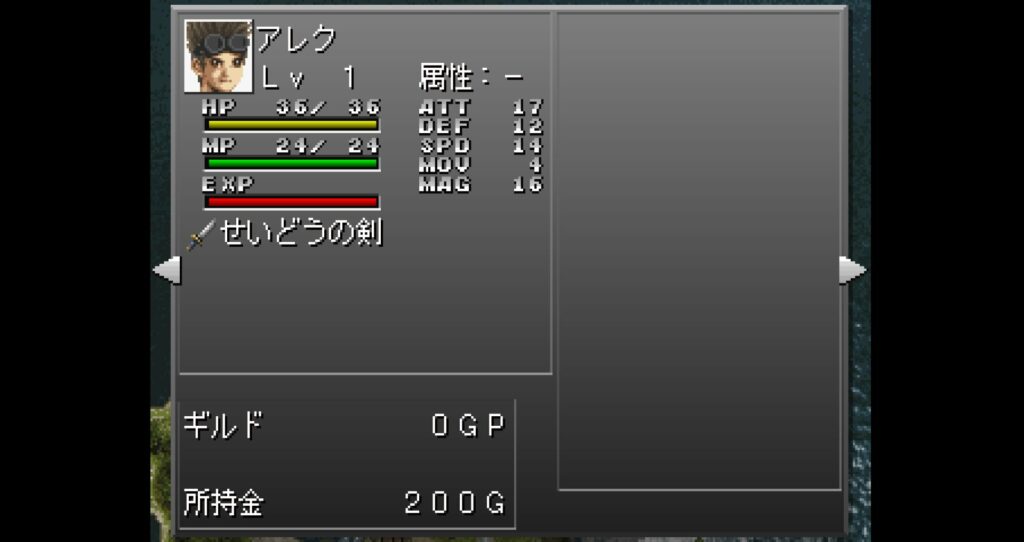
The battle system is more or less the same as the previous games. The only big difference I noticed is that the “jump” stat is gone; instead, everyone has the same ability to jump over most enemies (minus a flying enemies and maybe a few others).
There is a big difference in the balance, though. My number one complaint about the first two games was how worthless characters became if they were even a few levels below the enemies, and in AtL II especially how enemies kept getting these huge leaps in levels. Both of these elements are gone in the third game. The downside is that the game on the whole is quite easy.
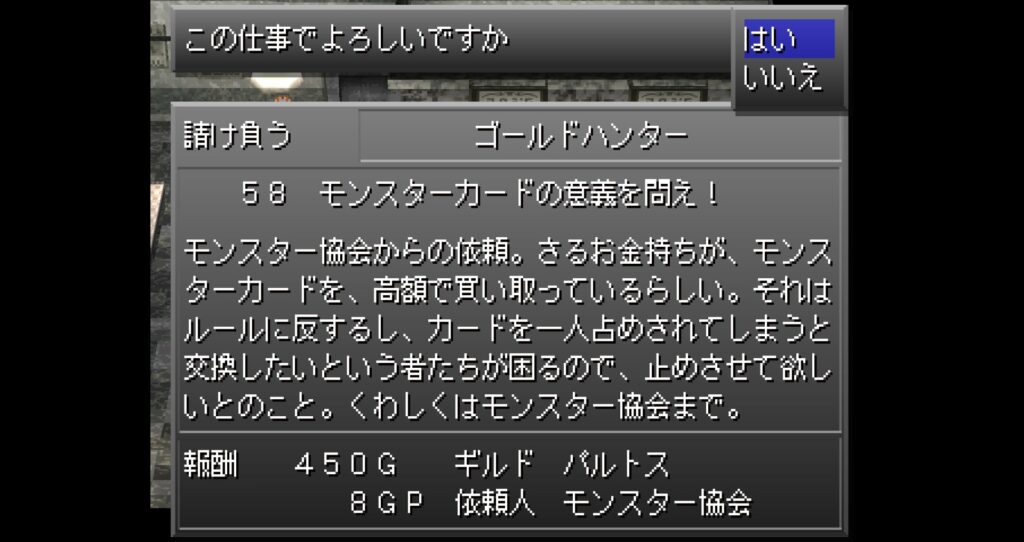
With the exception of the very beginning and very end, the entire game takes place through Hunter quests at the guild. There are 102 of these questions — a relatively small number of them are the core story-advancing quests, and the rest are optional (although at certain points the story quests will not appear until you do a few of the optional quests).
The optional quests have a lot of variety. Some of them have dungeons or battles, others have minigames, and a few are essentially just story sequences. Although some of the quests are one-offs, there are recurrent characters in some of the quests, like the Rainbow Thieves’ Guild, the merchant family, and Spicy the lovelorn ninja.
I had a few issues with the quests. First off, a good portion of them are humorous, but the humor wears thin — the rainbow thieves’ guild is mildly amusing the first time it appears, but by the 4th or 5th time it gets stale. The minigames can be frustrating because you often have to sit through a fairly long story sequence before the minigame comes up, and then you might only have one chance to do it or you fail the job. Of course save states can help with this.
Another issue is that you get guild points and raise your guild rank, but this has no effect at all on the game. There are no rewards for moving up guild ranks, except for this when you do them all:
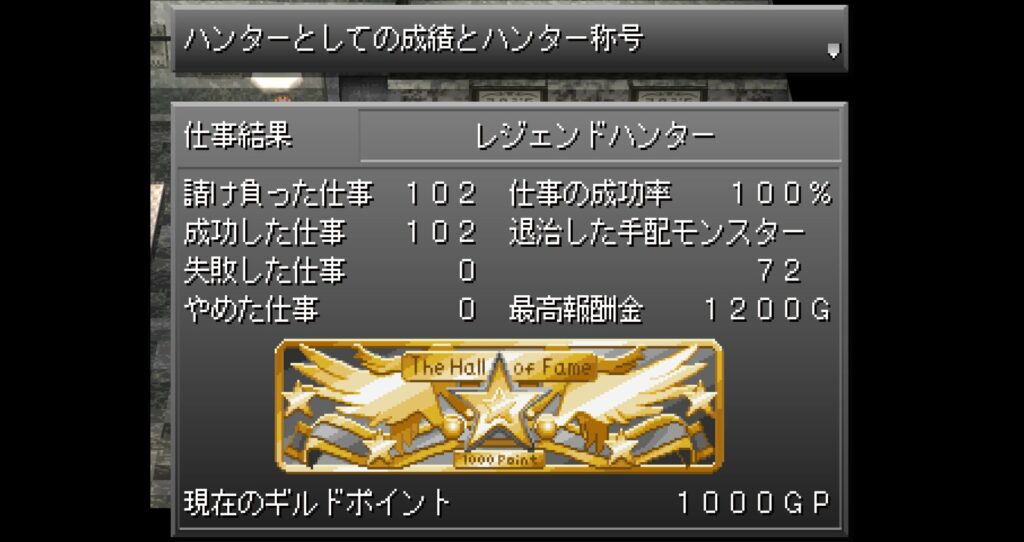
If I had to do this again, I would go for minimum rather than maximum guild jobs; it would (maybe) make the main quests a bit more challenging.
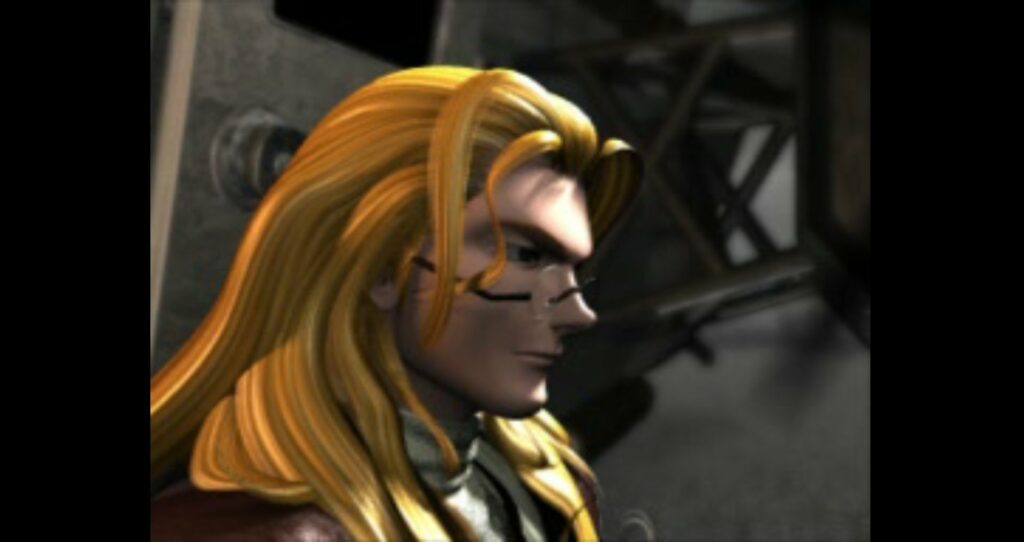
The only reason the game is two discs is because of these CG animated scenes that occur every so often. The graphics on the whole are serviceable — they don’t blow you away but they aren’t offensive like the bad polygon 3D stuff that other companies are using.
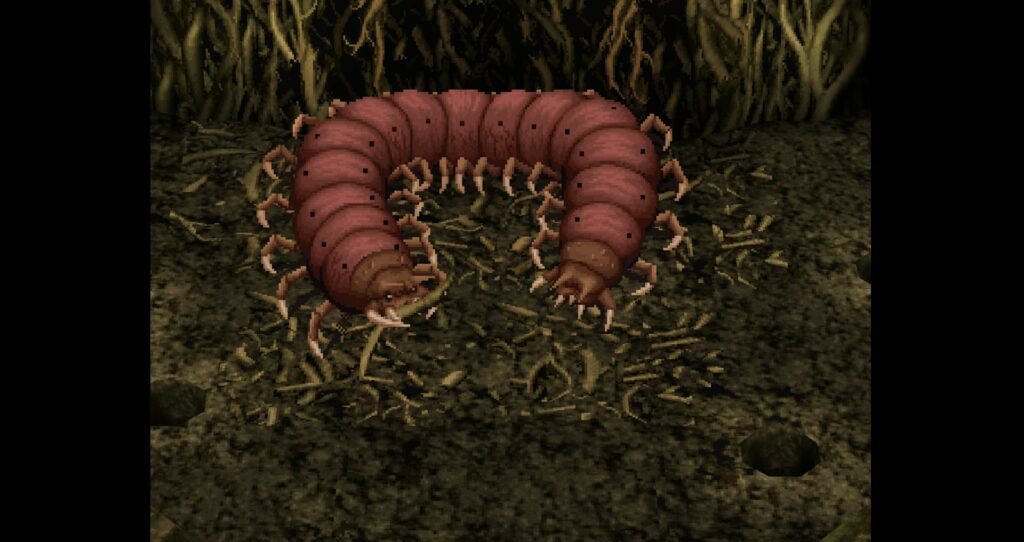
There are other yarikomi aspects to the game such as the weapon and item crafting (which isn’t very useful), and collecting Monster Cards. This is a new feature that one character has where enemies can be turned into cards which then can be used in battle (by that character) to have effects on all enemies or all allies. The cards are pretty useful.
Overall I enjoyed this game more than ATL2, but objectively speaking it’s probably not as good a game. I spent over 60 hours on it and I really shouldn’t have done so.
Arc the Lad will have one more appearance in the PS2 game “Twilight of the Spirits”.
Hi, I stumbled across your blog a few weeks ago and just wanted to leave a big compliment. It’s a truly fantastic project you’re pursuing here, and you’ve clearly put a lot of work into it. I’m an avid RPG player myself and I keep discovering interesting posts on your blog. Especially since I’m from Germany, many of the games you write about weren’t available here, particularly TurboGrafx 16. It’s great to read about them! I’m a child of the late 1980s and 1990s, and back then I didn’t have the opportunity to play many of the games I would have been interested in. Today I can catch up on some of them or read about them. I’ve recently started recording my own impressions in a small blog, but the project is still in its early stages and I’m only doing it on the side, even though I’d love to have more time for it. 🙂 I think to myself: video games are a great medium, but how can I document my experiences? That’s why I’ve started writing myself. So, once again: I think your blog is great, keep up the good work! Greetings from Germany!
Thanks for the feedback! Glad you enjoy it. You can link your blog if you want.
Danke, sehr gerne! Hier gehts zu meinem kleinen Blog 🙂
https://rpg-archiv.blogspot.com/
It’s been a while since I read your posts, I remember that I gave up trying to beat this game because I didn’t enjoy the character and side quests, the writing at least in the American version felt shallow, and the character read like a flanderised version of anime tropes maybe I would get further back them, if didn’t try to beat all quest but Fomo got the best out of me.
The PS2 game is even worst in my opinion.